
LET’S GET TO KNOW TURTLES
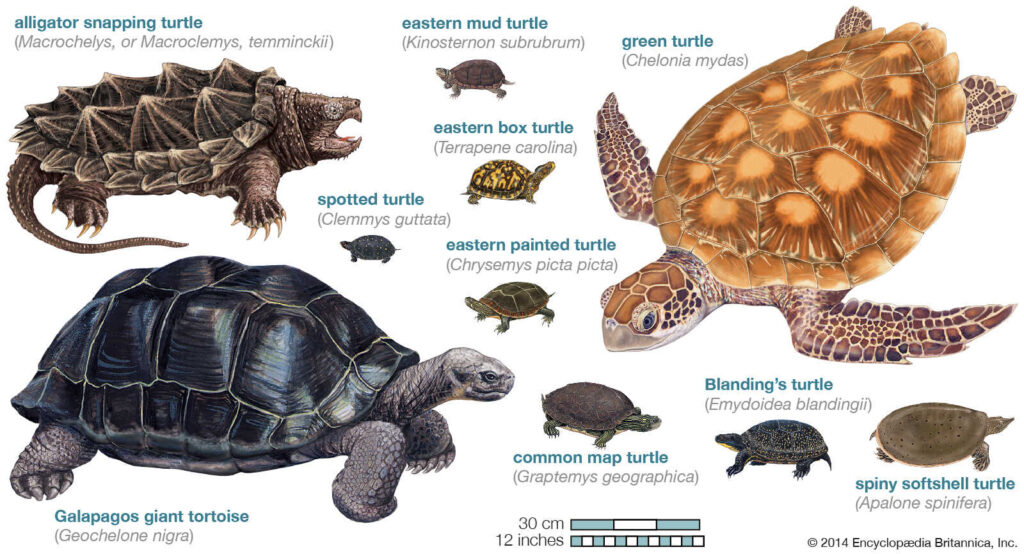
LET’S GET TO KNOW TURTLES A shockingly high percentage of turtles are on the decline. 61 percent of 376 turtle species found in the world are either extinct or threatened. They are being wiped out from the face of our earth at a very fast pace. If you’re wondering why sea turtles? What could be bothering these resilient species that have been on the planet for over 100 million years? Read on to find out the threats being faced by these creatures. Threats faced by sea turtles Turtle vs. TortoiseOften there is confusion between what exactly is a turtle and a tortoise. So to clear this confusion once and for all… All tortoises are turtles; however, not all turtles are tortoises. Turtles and tortoises fall under the same order, Testudines, which includes all reptiles that have their bodies enclosed within a hard shell that protects them from predators. However, even though you can call tortoises turtles, the reason why tortoises aren’t commonly known as turtles is because tortoises are land animals. They spend most of their time on land and only venture near a water source to quench their thirst. Whereas most turtles are complete sea creatures that venture on land solely to lay their eggs! Sea Turtles Today we are going to be discussing sea turtles exclusively! Sea turtles have been on our planet for over 100 million years—since the time dinosaurs roamed the earth! Their resilient nature has helped them survive many milestones that other species on Earth couldn’t! The design and structure of the shell of a turtle, which it cannot exit, is like no other animal, and it ensures the soft body of the turtle remains protected with this hard shell, making this creature extremely resilient and sturdy. Reproduction Turtles are not social animals; however, the one time when you will see a large number of turtles congregating together is during nesting. All turtles lay their eggs on land. Watching thousands of female turtles retire to a beach to lay their eggs is an extraordinary phenomenon to witness. The nesting cycle can vary from species to species, with some laying their eggs twice a year, annually, as well as every alternate year. Each female turtle makes her way to the beach and starts digging the sand with her hind limbs to create deep chambers in which she will lay her eggs. The rate of development and the gender of the baby sea turtles will depend on the temperature at which they are incubated in the nest as eggs. For the rate of development, higher the temperature of incubation, faster the rate of development. For the sex of the baby turtles, the mother lays the eggs in such a way that an equal number of male and female hatchlings are formed. An incubation temperature of 87.8° Fahrenheit and above will result in the hatchlings being born as females, and the eggs incubated below 81.86° Fahrenheit will result in male hatchlings. Threats As you can see, temperature plays an important role in the life of a turtle. With global warming heating up our oceans and the environment, the temperature on beaches where turtles come to lay their eggs can reach up to lethal temperatures, causing the eggs to die even before they get a chance at life. Global warming is one of the many issues being faced by turtles today. Plastic pollution choking up the oceans, illegal harvesting and poaching for pet trade and meat, and habitat destruction are increasing the risk of survival of these ancient species each and every day.
IMPACT THROUGH FILM – THANK YOU FOR THE RAIN
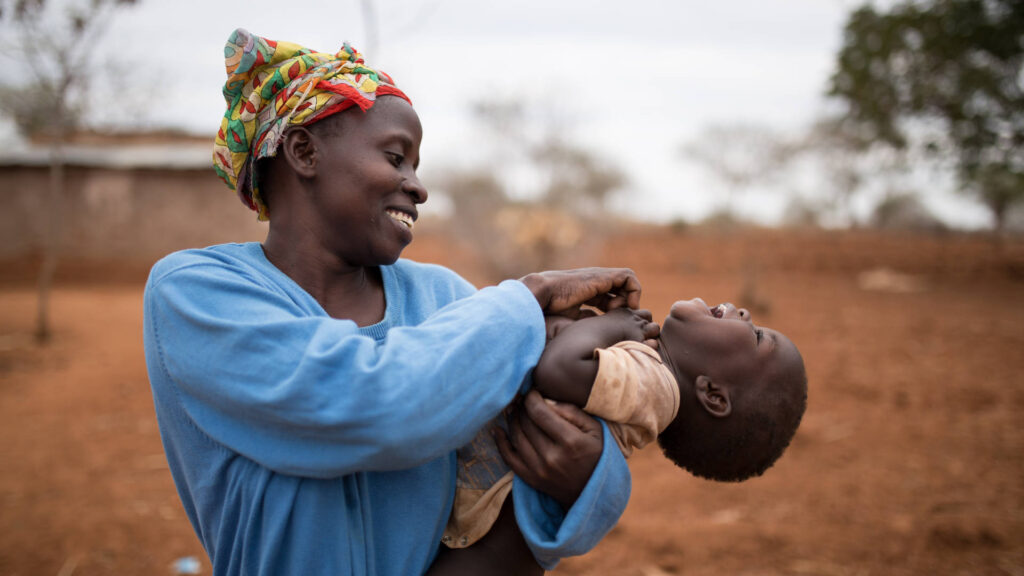
IMPACT THROUGH FILM – THANK YOU FOR THE RAIN ‘STORIES ARE POWERFUL BECAUSE THEY TRANSPORT US INTO OTHER PEOPLE’S WORLDS BUT, IN DOING THAT, THEY CHANGE THE WAY OUR BRAINS WORK’ -Paul Zak, Professor of Economics and founding Director of the Center for Neuroeconomics In our present climate emergency, it is every individual’s duty to be responsible and take action for change. As documentary filmmakers it is our mission to make sure that the films we make have an established strategy for impact! Today, we have chosen an important topic for our readers to engage and learn along with us about a subject that is a must to execute a successful documentary film. We are going to take you through a cumulative process of creating impact through film. The growth of the impact space seems like a natural and exciting evolution for the documentary industry.Let’s start by understanding what we mean by impact.When we talk about impact, we mean social and cultural change that has been driven by a documentary film using a campaign strategy. This can cause distinct shifts in behaviour, belief and values within a group, system or community, as well as legislative or policy shifts in a government, organization or institutions. In their joint media guide, The Impact Playbook, the Bay Area Video Coalition and Harmony Institute define impact as follows: The simplest definition of impact is “change”.Each media project or story makes a small , yet essential change, to some aspect in the world. Impact can be assumed to be the sum total of these changes. Behind this vague definition, is a set of more intricate and thought provoking questions such as ‘who’ or ‘what’ changes? How can the media differentiate between changes in an individual, groups, or a bigger set of formal groups such as organizations and governments? Over what period does impact occur? Is it possible to simplify the role of media from all other factors that contribute to social change? Thank You For The Rain is about a Kenyan family directly affected by the changing climate. Let’s take a look at the approach they took to develop an impact strategy, and how they made sure for the outcome: “THE FILMMAKERS LET US WITNESS FROM CLOSE UP HOW A POOR AND VULNERABLE KENYAN FAMILY OF FARMERS ARE STRUGGLING WITH DROUGHTS AND FLOODS. FOR THEM, CLIMATE CHANGE IS ALREADY A BATTLE OF LIFE OR DEATH. THANK YOU FOR THE RAIN SHOULD BE A WAKEUP CALL FOR US ALL” -Jan Egeland, Secretary General Norwegian Refugee Council, former Co-Chair of the UN High Level Panel for Global Climate Services THE FILM Thank You For The Rain is a collaborative film made by Kisilu Musya, a Kenyan farmer, climate fighter, and video diarist, and Julia Dahr, a Norwegian filmmaker. Over a period of five years, Kisilu, a native of Kenya, documented the damage caused by climate change and how it impacted his family and life in the village. It was a violent storm that threw him and Julia together, and what resulted in his transformation from a father, to community leader, to activist on the global stage. In addition to filming the floods, droughts, and storms faced by his village, he also captured the real human cost of the crisis: how his children were asked to leave school when he couldn’t pay their fees after a no-yield harvest and how, men moved from their ancestral village homes to towns in search of a livelihood alongside rising family tensions. In Thank You For The Rain, Kisilu and Julia’s friendship acts as a glimpse into the two different worlds each of them represent. “I HAD NEVER MET A FILMMAKER BEFORE I MET JULIA AND NEVER EVEN SEEN A FULL FILM AS I LIVE VERY REMOTELY WITH NO ELECTRICITY. IT WAS VERY INTERESTING TO SEE JULIA’S WAY OF WORKING AND HOW SHE THOUGHT MY COMMUNITY’S STORY WAS SO IMPORTANT TO THE WORLD. WHEN THE FILM TEAM ASKED IF THEY COULD STAY WITH ME AND MY FAMILY FOR A MONTH TO FILM, I SAID YES WITHOUT ANY HESITATION. BUT I HAD ONE CONDITION: THAT I COULD ALSO GET A CAMERA TO TELL MY STORY TOGETHER WITH THE FILM TEAM.” -Kisilu Musya Through detailed and synergetic filmmaking, their story highlights a range of issues faced by communities on the frontlines of the climate crisis, including urbanization, gender equality, education, access to water, climate refugees, climate justice, and adaptation. https://vimeo.com/143747529 STRATEGY As the team worked on Thank You For The Rain for nearly seven years, they wanted to make sure to use the film to create real change. Alongside its international release in 2017, they launched an international impact campaign that aimed to build climate resilient communities, strengthen the climate justice movement, and push policy makers to take tangible action to stop climate change and support the frontline communities. Since then, they have achieved multiple goals! In 2019, their film campaign won the DocImpactHi5 award, which celebrates documentary films that have made a real world impact. THE TEAM This film and its campaign is a great example of how much a small team with a mid-size budget can accomplish, if their resources are used judiciously and wisely to strategize a deep and long lasting impact. It takes an exceptional film to capture imagination, and it takes an equally exceptional film and campaign team to make real world change. IMPACT Thank You For The Rain inspired new climate friendly policies and projects in Kenya. These changes emerged after sharing Kaisilu’s story on the global stage. CLIMATE RESILIENT COMMUNITIES In order to make sure the film spurs change on this issue, Kisilu and his wife, Christina are working towards building local climate resilient communities in East Africa by using film to strengthen and expand their work. They are actively involved in building earth dams and irrigation projects as well as community screenings with farmers. They aimed to use film as a tool to create a forum where farmers, NGOs and local decision makers can meet to identify local challenges and discuss suitable
AMI VITALE – CONNECTING MANKIND TO NATURE
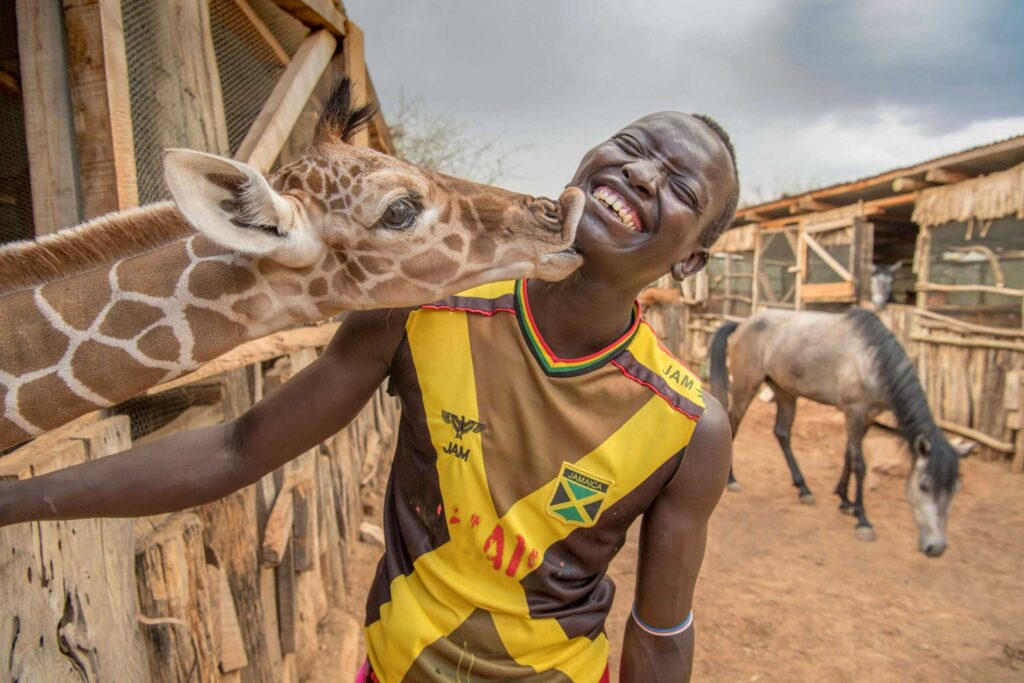
AMI VITALE – CONNECTING MANKIND TO NATURE 2020, woman empowerment, wildlife conservation, woman’s day, documentary filmmaker. “SAVING NATURE IS REALLY ABOUT SAVING OURSELVES” SAYS AMI VITALE Ami Vitale grew up in Florida. She introduces her young self as “an introverted, shy, gawky young woman.” Then one day she picked up a camera—and had an epiphany. “I realized that being behind the camera is really where I got my courage. The camera became my passport to engage with the world around me. It is an incredible tool for creating awareness and understanding across cultures and countries, a tool to make sense of our commonalities in the world we share.” On this Women’s Day, we take the opportunity to celebrate women who show up, speak up, and get things done. Ami uses the power of images and film to create impact in our society. She has traveled over a hundred countries, and her photographs have been commissioned by nearly every international publication as well as exhibited at museums and galleries around the world. She is also a founding member of Ripple Effect Images, an organization of renowned female scientists, writers, photographers, and filmmakers working together to create powerful and persuasive stories that shed light on the hardships women in developing countries face and the programs that can help them. Here is an article about an iconic woman whose journey will ignite a motivational spark in each one of us to step up and contribute to the conservation of this planet. Ami Vitale began her career covering conflicts. Starting at age 26, she found herself in places such as Kosovo, Angola, Gaza, Afghanistan, and Kashmir. Her reason for going, as she told herself, was to document the brutality. She thought the most powerful stories were those driven by violence and destruction. The work was taking a toll on Ami as she went about living through dangerous real-life conflicts. “FROM AFGHANISTAN AND GAZA TO CASAMANCE AND ANGOLA, I SET DOWN THIS TRAIL THINKING THAT’S HOW YOU TELL POWERFUL STORIES TO GO TO CONFLICT AFTER CONFLICT.” Ami even decided to keep information about her dangerous whereabouts and the work she was doing away from her parents, as she didn’t want to worry her mother. When she launched her website, that’s when her mother found out and called her in tears. After this, she decided to take some time apart. There is no taking away from the importance of recognizing and acting upon issues concerning human conflict and suffering. However, making that the center of her universe led her down a black hole. In 2009, Ami got a call from the Nature Conservancy. The US-based charity commissioned her to shoot conservation projects in eleven different places, from Alaska to Australia, over the course of nine months for a book and accompanying exhibition. “I realized every single conflict I had covered was always connected to our resources. I started to realize that all these stories about people were always stories about the natural world, and vice versa.” Slowly, it became clear to her that journalists also have an obligation to illuminate the things that unite us as human beings. “If we choose to look for what divides us, we will find it. If we choose to look for what brings us together, we will find that too.” These truths became personal guideposts when Ami met Sudan, a northern white rhinoceros and, eventually, the last male of his kind. She saw him for the first time way back in 2009 at the Dvůr Králové Zoo in the Czech Republic. She can remember every movement and every sound he made like it was just yesterday. His cage was snowed in, and she saw Sudan being crate trained—learning to walk into a giant box that would carry him almost 4,000 miles to his new home in the South to Kenya. He seemed wary of the crate and moved cautiously. He took his time with every step, and for such a large creature, he was astoundingly gentle. Ami instantly knew that she was in the presence of an ancient being (fossil records suggest that the lineage is over 50 million years old!) and felt humbled by the presence of this otherworldly rhino who has roamed around much more of our world. From hundreds of thousands of these species roaming the vast lands of Africa, Sudan remained one of only eight northern white rhinos left alive on the planet. Hunting and poaching had reduced their numbers to a mere 19000 by the 1980’s. Rhinos were hunted for their horns, which hold no real curative value. The belief that their horns could be used as medicine for every disease under the sun is baseless. Their horns are purely keratin, just like human fingernails. When Ami met Sudan, the remaining white rhinos were in zoos. Although they were safe from human cruelty, breeding was a problem. Animal conservationists had devised a strategy to transport four of the rhinos to Kenya by air. The hope being that once in their inherent natural habitat, they would breed and repopulate in Africa. To Ami, this strategy seemed like a fantasy. But she realized that this was the only hope, and as desperate as it seemed, it was probably their last chance at saving the species. The zoos and conservationists in Africa worked hard to make this possible, and on one cold December night, the four rhinos were airlifted from Dvůr Králové Zoo and brought to Ol Pejeta Conservancy in Kenya. A baseless and unresearched superstition about the magical powers of the rhino horn had somehow led to the destruction of an entire species. However, the fact that this forward-thinking group of people had joined forces to try and save this precious animal from extinction was heartening, to say the least. Nine years after the rhinos were brought to Kenya, she received a distressing call. Sudan was dying. He was 45, which is quite old for his species. He had had a good
SEA TURTLE GUARDIANS – FILMING WITH THE FOREST DEPARTMENT OF THE ANDAMAN AND NICOBAR ISLANDS
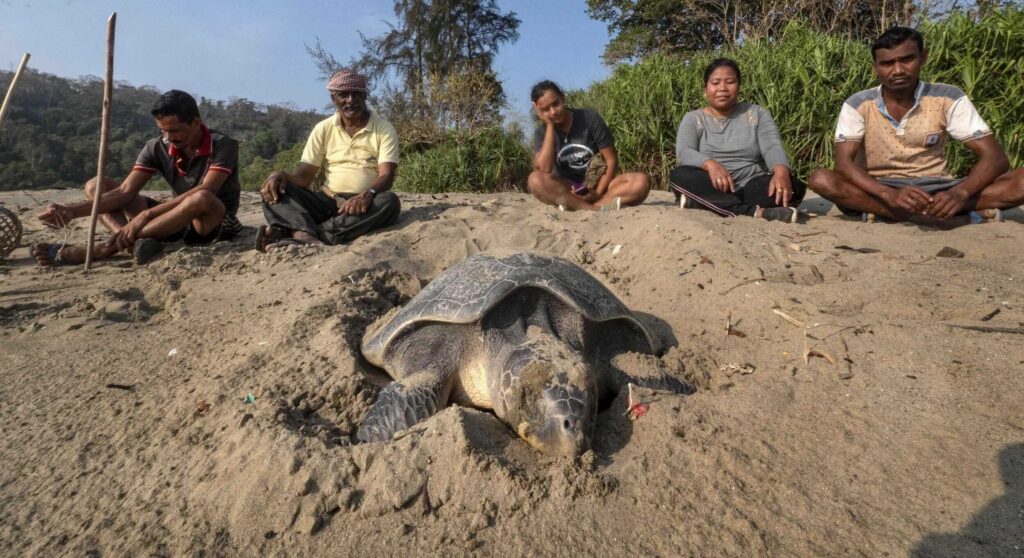
SEA TURTLE GUARDIANS – FILMING WITH THE FOREST DEPARTMENT OF THE ANDAMAN AND NICOBAR ISLANDS Forest Guards, Sea Turtle, Conservation Film crew, Documentary, Story, Andaman Nicobar Islands, Marine World, Wildlife “OUR LOVE AND CONCERN FOR ANIMALS SHOULD GO BEYOND THOSE WITHIN OUR PERSONAL ENVIRONMENT. WE SHOULD SEE THE WORLD AS A WHOLE, SEE NATURE IN ITS ENTIRETY AND REALISE THE IMPORTANCE OF HUMANS BEING PART OF THE ANIMAL WORLD AND ANIMALS BEING PART OF THEIRS. IT IS ONLY IN THIS WAY THAT WE CAN PREVENT THE COMPLETE DESTRUCTION OF OUR ENVIRONMENT AND PERHAPS, ULTIMATELY, OF OURSELVES.” – Virginia McKenna, OBE Over the past few years, the Emaho team has been filming ‘The Turtle Walkers’, a story about one man’s lasting legacy to explore and protect the sea turtles of India. This film has taken us to some of the remotest sea turtle habitats in the country. On a recent trip to the Andaman and Nicobar archipelagos (off the east coast of mainland India) in February 2020, we had the opportunity to interact closely with the forest guards of the islands. During that experience, it dawned on us that there are many kinds of marine heroes, quietly working to protect the ocean and its creatures all over the world. Though we cannot possibly capture the stories of each and every one of them, we can share some highlights from it. Here is our attempt to shed light on the marine heroes we met during a two-month shoot in the islands earlier this year. They are a team of people who consistently work to protect marine life, but oftentimes do not get the credit they deserve: the forest department. A little background before we jump into the story: Conservation efforts in India (as with many other countries) have traditionally been focused on the land and terrestrial ecosystems. It is only in recent years, as we learn more about the marine world and the threats that face it, that we have turned a deeper attention to the protection of coastal and marine ecosystems. The government’s marine conservation efforts in India are managed by the forest department. In places such as the Andaman and Nicobar Islands (with over 500 islands), you can imagine just how much of an undertaking this is. These islands are teeming with terrestrial and marine wildlife. They are visited by four of the seven species of sea turtles in the world: hawksbills, greens, olive ridleys, and the most ancient of them all—leatherbacks. You would think an area so vast would be hard to monitor, but the forest department, along with the marine police and coast guards, have managed to do a phenomenal job. Over the years, they have constantly and diligently provided support in protecting and monitoring the wild coastal and marine habitats. And of course, this includes the sea turtle. Between October and March, female olive ridleys come up along the vast stretches of coastline of middle and north Andamans, from Cuthbert Bay all the way up to Diglipur, to lay their eggs. Due to threats of consumption by local dogs and poachers, the forest department monitors and protects the eggs in hatcheries. Once the baby hatchlings emerge from the sand, they ensure that each hatchling makes its way safely out to sea. After a month-long stint filming leatherbacks on an island further south, we gradually made our way through the dense Jarawa tribal reserve, hopping on and off the ride-on vehicle ferry. We crossed Baratang, Kadamtala, and Rangat and had our first halt at Betapur in Cutbert Bay. Here we met Mr. Shibroy, who is the camp officer; Mr. Mohammed Iqbal, who is the range officer; and Mr. Rassogi, who is the Divisional Forest Officer (DFO) of the region. These kind men, along with their team of forest guards, helped us with getting the filming permissions, locating the turtles, and achieving the shots we needed for the film. Our days began at 8pm, as nesting largely takes place late at night. During this period, our crew took turns to rest in between turtle walks. The guards, however, walked through the night. When a turtle came up, they would signal us with their torches to come over. And then began the (long) wait, until the turtle found the right spot to nest. Sometimes, she got lucky with the right spot in the beginning, and in thirty minutes or so, she had laid her eggs, covered them up, and gone back to the sea. Everyone was happy. Other times the turtle would dig repeatedly for hours before finding the right spot to nest and perhaps even return to the sea without nesting. The very first night was the most difficult. We waited for a turtle to choose her spot for over five hours. While our team struggled in the cold night to keep awake, the forest guards appeared undisturbed. They returned periodically to check on her and then continued on their rounds. Once the turtles finished laying, the guards gently removed the eggs and placed them in the hatchery. This beautiful endeavor was a sight to see. The diligence with which they performed this ritual was something we had never personally experienced. After several nights filming in Cuthbert Bay, we headed up to Diglipur. That is where we met Augustina. Augustina is a Nicobari woman, from a hunter-gatherer tribe in the southern Nicobar Islands. She is the forest ranger at Ramnagar Beach in Diglipur. Augustina has a team of four guards who work the night shift and four who work the day shift, collecting the eggs on the beach and transferring them to the hatchery. One of the things that struck us about Augustina were her baskets. She taught the forest guards to make baskets out of thatch in a traditional Nicobari way. These neat little baskets were used by them to collect the eggs. At night, we would see the outline of the guards as they walked on the beach with a stick. Hooked onto the
WAKE UP HUMANS, YOU ARE ENDANGERED TOO – 9 IDEAS THAT CAN HELP YOU SAVE SEA TURTLES AND OUR BLUE PLANET
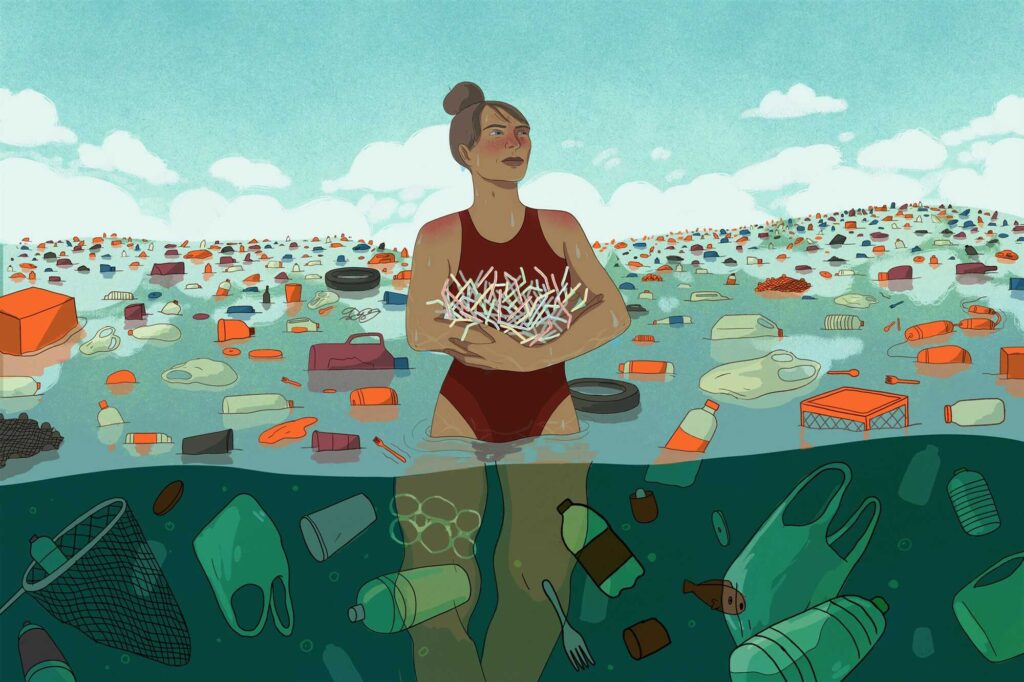
WAKE UP HUMANS, YOU ARE ENDANGERED TOO. – 9 IDEAS THAT CAN HELP YOU SAVE SEA TURTLES AND OUR BLUE PLANET Sea turtles, Human impact, Climate change, Eco-warriors, Pollution, Conservation, The Turtle Walkers “ONE TOUCH OF NATURE MAKES THE WHOLE WORLD KIN.” – WILLIAM SHAKESPEARE Just like you, today’s subject is also a fun-loving beach bum. However, while your ancestors appeared on earth just a million years ago, these gentle beings have wandered its oceans and beaches for over 250 million years. Sea turtles range in size from about two to six feet long, weigh between 100 and 2,000 pounds, and have an average lifespan of 70 to 80 years. Unlike their freshwater relatives, the head and limbs of sea turtles are fixed outside the shell and do not retract. There are seven species, four of which are endangered and three critically endangered. Sea turtles play an important role in two ecosystems, land and marine, by keeping aquatic life balanced and providing clean water and oxygen to the atmosphere. These ancient mariners migrate long distances, often across continents, between feeding and nesting grounds and stay in warmer waters when the seasons change. Amazingly, females return to the same beach where they were born to lay their eggs, even though it may be 30 years later, and the appearance of the beach may have greatly changed. Hawksbill, green, flatback, loggerhead, kemp’s ridley, and olive ridley turtles have shells made up of hard scutes, while the aptly named leatherback turtles have a leathery carapace made up of connective tissue. The kemp’s ridley turtles are the smallest, and the leatherback, the largest. Sea turtles are truly magnificent, catching the imagination of toddlers and scientists alike. Despite the inexplicable bond we share with these prehistoric creatures, we seem to be losing them fairly quickly to our modern-day lifestyle and fast-paced needs. Little do we know that its disappearance can cause irreparable damage to our blue planet. The current climate emergency leaves us no time to remain unaware of our ‘impact’. If we take responsibility for our consumption patterns in spite of system-induced limitations, we can hopefully leave behind a thriving world for our future generations. While every ecological problem we face today is interlinked, what can be done by an individual to make a difference? Each of our contributions is a step taken towards preserving the ecosystem as a whole. Sea turtles are a flagship species; to save them means protecting their entire habitat and all the other species that depend on it, including us humans. Here are 9 ideas that can help you save sea turtles and our blue planet. Crude oil, dug out from deep ocean beds, is one of the most commonly traded commodities in the human world. We explore it to provide fuel for our daily commutes, offshore travels, and international trade. All plastic and most chemicals also use crude oil as the base raw material. If someone entered our home and started breaking things, we would immediately strike into self-defense mode. Unfortunately, these little sentient beings have no voice or tendency to fight. Sea turtles die both from internal and external injuries from contact with explored oil and chemical dispersants. Their food and habitat are also continually being wiped out by huge machines and their waste. Food, water, and air for humans also get compromised in the bargain. While some say that the governments should solve this problem by making oil exploration’safer’, oil spills are an inevitable part of drilling. 1. Reduce your crude oil requirements. The final solution points back at our obsessive need for fuel, plastic, and other such toxic chemicals that use crude oil as the raw material. Now would be the right time to hop on that bicycle to get to work and to understand how our requirements cause the digging deep down there. 2. Make every tree count—15.3 billion trees are chopped down every year. Deforestation is the perfect example of how destructive activities on land cause disruption in the marine ecosystem. Highways, agricultural expansion, cattle breeding, timber extraction, mining, industries, dam construction, and infrastructure development all call for shaving forests. We’re losing 18.7 million acres of forests annually, equivalent to 27 football fields every minute. Fewer trees cause global warming, which in turn causes the ice caps to melt and eventually leads to sea levels rising. This is the number one threat to the future of these gentle beings. With rising sea levels and unpredictable weather fluctuations, the marine habitat finds it impossible to keep its balance. Sea turtles, for example, are known to travel thousands of kilometers to feed in warm waters when seasons change. Temperature also determines the gender of the hatchling. Reduce your energy requirements; don’t use air-conditioning when cool natural air is available so you don’t contribute to greenhouse gas emissions caused by huge electric plants. Revive your love for simple mud paths so we don’t demand a faster highway to the mountains. Reach out to help support forest conservation organizations and groups that protect sea life in your country. 3. Rethink ‘Plastic’: Most people know that plastic is hazardous and non-eco-friendly, but they don’t know where exactly it comes from or where it eventually goes. Ironically, every piece of plastic ever used by us still exists somewhere. Plastics are non-biodegradable, deformed molecules of crude oil created by the combination of immense heat force and chemicals. There is no part of the ocean that is not affected by the 335 million metric tons of plastic produced every year on Earth. Sea turtles can’t tell the difference between a plastic bag and a jellyfish, one of their favorite foods. As a result, they end up eating plastic bags, which injure or kill them. Over 50% of sea turtles found dead have ingested some form of marine litter. In Florida, 104 pieces of plastic were found inside a 3-week-old baby turtle. Worse, plastic does not decompose; it just breaks down to smaller pieces, which are ingested by